
Voices in Touch Newsletter: The Current State of Somali Childcare Providers in King County
Stay up to date on policy and advocacy topics affecting your work in Olympia, King County, and Seattle.
At a Glance:
Somali childcare providers are a crucial part of King County’s early learning system, especially for immigrant and low-income families. In late 2025, national political rhetoric and viral social media videos created a sense of fear that has directly affected Somali providers. Many now feel under scrutiny simply for who they are, which disrupts both their work and the families who rely on them. The Policy and Advocacy Department sent out an anonymous survey to Somali childcare providers who have been targeted to hear directly from them, and their responses gave us insight into what they have been experiencing.
The Rundown:
In early December 2025, the public attacks on Somali immigrants by President Trump initiated scrutiny toward Somali communities by linking immigration to crime and fraud. This rhetoric amplified collective blame to quickly spread beyond Minnesota to places like Washington and Ohio, negatively impacting Somali childcare providers across the country.
A widely shared video alleging fraud in Minnesota childcare programs furthered these stereotypes, portraying Somali-run childcare centers as fraudulent. Even after state officials found no fraud in the highlighted cases, the video had already gone viral and shaped public perception across the country.
Shortly after, journalists and online social media influencers began visiting Somali-run childcare providers in King County, often filming or posting encounters online. Providers reported being contacted, questioned, and monitored simply because of their identity, creating a climate of fear and distrust.
From the Somali King County Provider survey we conducted, one anonymous provider stated “A YouTuber came to my childcare center posing as a prospective parent and attempted to record the facility and staff without consent while claiming to be conducting an investigation”. Another shared “Random people come to our home and knock our doors demanding to see children in the childcare. These people have no right to enter childcare facilities with out proper consent. We are afraid for our safety and the safety of our children under our care”. These were two of many stories of being watched, questioned, or unfairly singled out.
Impact on Providers and Families:
When we asked if the providers have felt unsafe, targeted, or isolated following their interactions with unwelcomed visitors, one provider mentioned “Yes, we were scared at 8:00 pm. A man walking with a backpack and a gun came to our house. We didn’t open the camera. We saw him and he put his hand in his pocket. We thought he had a gun. Until now, the fear has increased. We were worried. We called the police. They said, “Shut the door, the students are still talking. ‘He looks like an angry man’.”
Some other testimonies included “Yes I feel unsafe because people are coming my place and harassing me”, “Yes. Being targeted with false reviews and people showing up with cameras made me feel unsafe and singled out, like I was being watched and judged simply for who I am and the work I do” and “I didn’t believe anyone happy what happened our country”. These responses have proven to have caused a great deal of trauma and fear to providers while also affecting their ability to care for children and run their programs safe and effectively.
The increased scrutiny has caused disruption for Somali childcare providers who are licensed and operating legally. Some have also shared having temporarily closed their childcare programs, leaving families without care. Additionally, 76% of the participants confirmed their families expressed fear, confusion, or concern about childcare because of what they’ve seen in the media.
Why this Matters:
Protecting Somali childcare providers means protecting childcare access for working families in King County. We are asking for policies and oversight that reject discriminatory narratives and focus on fair, evidence-based practices that support entire communities rather than harm.
Following the ongoing targeting of Somali childcare providers, Voices of Tomorrow has made it our priority to address the concerns of the injustice happening. We sent out communications in large WhatsApp group chats with over 600 Somali providers and assistant teachers to keep up with the concerns and thoughts. In addition, we hosted a larger community listening session on Zoom for providers that opened the space for feedback and covered what providers should know. DCYF Licensors were also in attendance to facilitate the discussion and answer questions.
We are committed to dismantling the stereotypes and harmful discrimination against Somali providers in King County. Our mission is to create equitable systems for all refugee and immigrant communities. The work we do will always continue to center their safety, work and access to resources.

Voices in Touch Newsletter: 2025 Policy & Advocacy Highlights
Stay up to date on policy and advocacy topics affecting your work in Olympia, King County, and Seattle.
At a Glance
2025 was a year of collaboration, advocacy, and growth for the Policy and Advocacy Department at Voices of Tomorrow. Our work centered on elevating the voices of parents and childcare providers, ensuring that policies and programs reflect the needs of immigrant and refugee families in King County. This year, we focused on building community engagement, understanding early learning policy systems, and working to achieve equity in childcare. We executed this by furthering our work in our Policy and Advocacy Councils, hosting community forums with local providers, and collaborating with key figures in the legislative childcare sector. Throughout this year, we made significant progress and are excited to share some of the highlights of this year.

Provider Advisory Council
The Provider Advisory Council is made up of local King County Childcare providers that are passionate about making a difference in their childcare. These providers have a direct voice in learning about legislatives policies and regulations that impact their businesses, children, and families. The council is also a space to help strengthen VOT’s advocacy efforts by providers sharing any relevant concerns and questions with us.
During meetings, we provide updates on current bills, discuss tips on family engagement in the classroom, and give DCYF agency updates. Our meeting schedule is 2 hours once a month, virtually on Zoom. Together, the Provider Advisory Council is a group of informed, dedicated providers who actively contribute to the betterment of childcare in King County. We are grateful for a successful year with the Provider Advisory Council and look forward to continuing this important work in the year ahead.
If you are interested in joining the Provider Advisory Council, feel free to contact Asha at [email protected] or call: 206-360-9002.
Parent Policy Council (PPC)
The Parent Policy Council is a space for parents of our ECEAP programs to actively participate in decisions affecting their children’s education, development, and well-being. It strengthens advocacy & leadership and ensures that parent perspectives guide program decisions. The council convenes based on school year terms from September to June. All parents are invited to join, with each classroom having a minimum of 1 representative for a balance of perspectives in the council. The council meets once a month on zoom or in person with different discussion-centered topics. The topics are decided by parents-based interests and program needs. Some of the topics discussed this year were Health and Nutrition, Extracurricular Activities, and Kindergarten Readiness. These topics were well received by parents and it gave them insight into the core of their child’s program. In addition, we provide advocacy 101 trainings for parents to gain a basic understanding of what it means to be a parent policy council member and how to amplify voices in the classroom.
At VOT we are passionate about parent involvement and advocacy in early learning at any level. We believe that there is no better advocate for the needs of their child than their parents. Council members are also given the space to have real-time feedback and ideas that are implemented for the betterment of the program. We look forward to continuing the year with the Parent Policy Council and building the community of parent policy champions.
Community Café
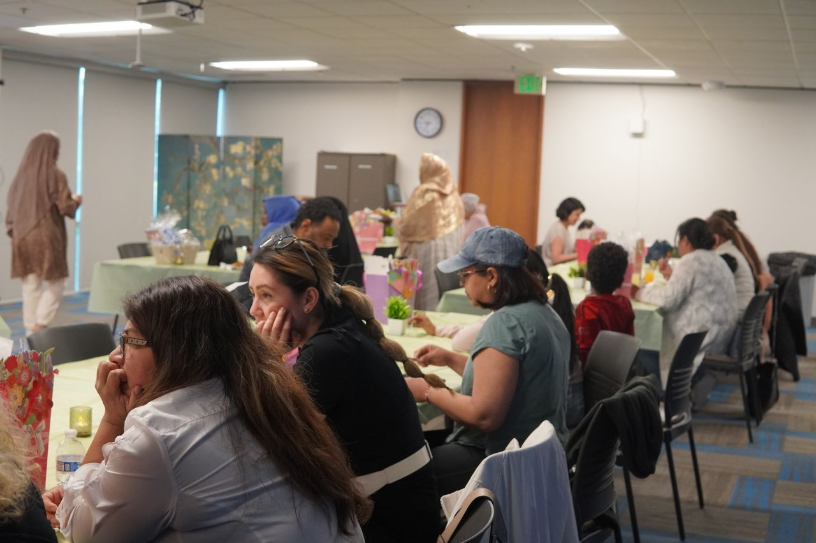
Community Cafe was created in 2022 as a space intended for childcare providers to receive policy updates, ask questions, and share challenges related to licensing, compliance, and their overall business. This year, we continued its mission by hosting additional meetings that engaged providers through conversation-centered discussions.
In 2025 we convened 2 meetings both with over 100 providers in attendance. Providers were given the opportunity to share their concerns and receive feedback and resources in real time with the policy specialist in PAD. Recently, the PAD department collaborated with DCYF to share some of their agency updates and policy changes. The DCYF team provided insights into new regulations, upcoming initiatives, and shared resources available to support providers. In addition, these meaningful discussions gave our department direct insight that assisted us in informing our childcare advocacy priorities. As we continue to host these spaces in real time, we also send surveys in multiple languages quarterly to ensure that all provider voices are received.
Provider Circle
In September 2025, Voices of Tomorrow introduced a new forum named Provider Circle. A space where local providers connect face to face with political candidates running in their district to have honest, solution-centered conversations about their experiences and challenges they are facing in their childcare programs. These conversations highlighted the realities of running childcare programs while also building relationships rooted in trust, listening, and collaboration.
Two Provider Circles were convened in 2025, the first was with King County District 5 Councilmember Steffanie Fain. For this meeting, we brought together providers from cities that Steffanie serves in her district, Des Moines, Kent, Normandy Park, Renton, Sea-Tac, and Tukwila. Providers shared touching stories about staying open through the COVID-19 pandemic, staffing shortages, and financial strain. Providers also highlighted the lack of investment in South King County and the current housing instability pushing families and providers out of their homes due to renting.
The second Provider Circle brought Seattle-based providers together with Seattle Mayor Katie Wilson, where conversations focused on workforce shortages, rising operational costs, the need for facility grants, and the uncertainty of operating family childcare programs in rental and public housing.
Together, these conversations reinforced the urgent need for investment in childcare, stable affordable housing, and policies that reflect the lived realities of providers who continue to care for the children in their communities.
External Advocacy & Advocacy Day
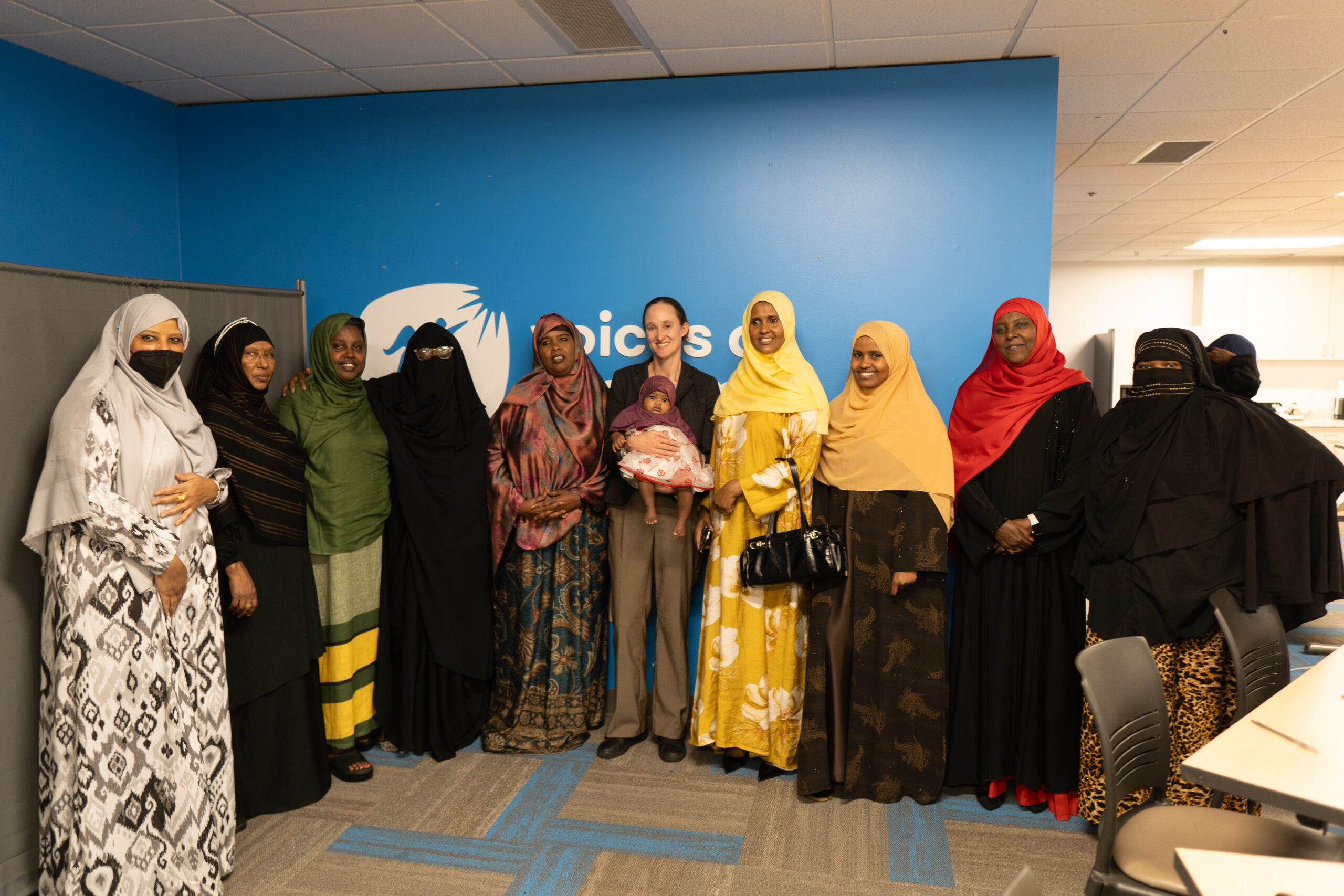
This year, our goal with external advocacy was to champion early learning policies that support families, providers, and equitable access to childcare. We achieved this by collaborating with other organizations such as Washington State Association of Headstart and ECEAP (WSA), Early Learning Action Alliance (ELAA) and Child Care Aware Washington (CCA). Through these collaborations we participated in joining weekly update meetings, attending organization retreats and trainings and building strong connections with the current champions of childcare in Washington. These partnerships strengthened our department and provided us the necessary support and resources to amplify the voices of our community.
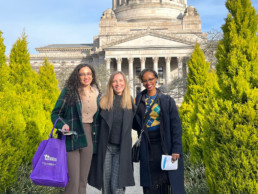
In January, VOT participated in lobbying at Advocacy Day 2025 with Child Care Aware Washington. We invited staff, parents, and providers to join us on the steps of the capital to talk about early learning policies and advocate for the support that families and childcare providers need. Our team was able to talk directly with lawmakers to share their stories and changes they want to see on a legislative level. Overall, this experience was invaluable as we were able to amplify our voices to the attention of people who shape the polices in our lives.

Looking Ahead: Policy Priorities for 2026–2027
As head into 2026–2027, the Policy and Advocacy Department will continue centering parent and provider voices by advancing these key VOT policy priorities:
Policy Priorities:
- Early Learning Facility Access (Childcare + Housing): New legislative initiatives to expand access
- Protecting and Restoring Fair Start for Kids Act (FSKA) Funding
- Early Learning Subcontracting Expansion – ECEAP: Support and advocacy
- Mental Health & Behavioral Health Supports: Support and advocacy
- Dual Language & Culturally Grounded Early Learning: Low priority
- Culturally Responsive Workforce Pathways: Support and advocacy
Our Policy Lens:
- Equity for immigrant and refugee families
- Culturally and linguistically responsive early learning systems
- Stabilizing the childcare workforce and provider base
- Community-driven solutions and ownership
- Facilities access that expands childcare capacity
This year has been phenomenal, and we will continue our monthly councils, community forums, and legislative engagement to ensure these priorities reflect the needs of families and providers.

Miiska Anagaa Leh: Sababta Ay U Muhiim Tahay In Laga Maqlo Codka Daryeelayaasha Carruurta ee Muhaajiriinta iyo Qaxootiga — Waqtigan Xaadirka ah
Maalin kasta gobolka Washington, waxaa la gaarayaa go’aanno muhiim ah oo ku saabsan waxbarashada carruurta da’da yar—go’aammo saameynaya maalgelinta, helitaanka adeegyada, shuruucda rukhsadaha, iyo cidda hoggaan u noqon karta nidaamyadaas. Laakiin aad iyo aad bay u badan tahay in daryeelayaasha carruurta ee muhaajiriinta iyo qaxootiga—oo ah laf-dhabarta nidaamka barbaarinta carruurta—aysan ka muuqan meelaha go’aamada lagu gaarayo.
Voices of Tomorrow (VOT) waxay aaminsan tahay in siyaasad kasta oo aan laga qeybgelin dadka ay tooska u saameyneyso aysan waligeed noqoneyn mid cadaalad ah. Sidaas darteed ayaan u bilownay Golaha Talo-bixinta Daryeelayaasha Carruurta—madal si gaar ah loogu talagalay daryeelayaasha muhaajiriinta iyo qaxootiga si ay u hoggaamiyaan, u doodaan, ugana talo bixiyaan arrimaha saamaynaya shaqadooda iyo bulshadooda.
Kursi Miiska Go’aamada—Iyo Awoodda Lagu Qaabeeyo
Golahan ma aha oo keliya matalaad—waa madal lagu beddelayo nidaamyo.
Daryeelayaasha muhaajiriinta iyo qaxootiga ma aha kuwo ku cusub shaqadan—waxaay sanado badan tiir u ahaayeen bulshooyin dhan. Waa macallimiin, waa ganacsato, waa dad ilaaliya sharciga iyo dhaqanka. Waxay bixiyaan daryeel ka tarjumaya qiyamka iyo aqoonsiga qoysaska. Si kastaba ha ahaatee, si nidaamsan ayaa looga saaraa qaabeynta nidaamyada ay maalin walba taageeraan.
Nidaamyo adag oo rukhsad ah, tababar aan loo turjumin, iyo siyaasado aan la jaanqaadin dhaqanka ay la kulmaan maalin kasta— Daryeelayaasha inta badan waxay ku shaqeeyaan nidaam aan iyaga loogu talagalin.

Bulshad Way sii kobcaysaa—Codkeenuna waa inuu la koraa
In ka badan 60,000 muwaadin oo ka soo jeeda Geeska Afrika ayaa maanta ku nool degmada King County oo keliya. Kuwo kale oo kumannaan ah ayaa ka yimid Latin America, Koonfur Bari Aasiya, iyo meelo kale oo dunida ah. Qaar badan waa waalidiin. Qaar badan waa daryeelayaal. Qaar badan ayaa ka shaqeeya barnaamijyo tayo leh oo ku saleysan dhaqanka.
Waxaa jira boqolaal daryeelayaal carruur oo muhaajiriin iyo qaxooti ah kuwaas oo shatiyeysan, kuwaas oo ka shaqeeya gobolka Washington—tiradooduna way sii kordhaysaa. Laakiin haddii waayo-aragnimadooda aan lagu saleyn doodaha iyo go’aamada, siyaasadaha waxbarashada carruurta da’da yar waxay sii ahaan doonaan kuwo cid gaar ah u adeegaya, oo aan caddaalad u ahayn dhammaan bulshooyinka.
Waqtiyada Mugdiga ah, Codkeennu Waa Awooddeena
Iyadoo ay socdaan hadal heyn la xiriirta dhimista miisaaniyadda gobolka ee barbaarinta carruurta, culayska dhaqaale ee sii kordhaya, iyo jahwareerka siyaasadeed—waligeed ma aysan jirin waqti ka muhiimsan in codka bulshada la dhageysto laguna saleeyo go’aamada.Talo ka bixiyaan arrimaha degdega ah ee saameeya noloshooda iyo bulshadooda
- La shaqeeyaan barnaamijyo, adeegyo, iyo wacyigelin si loo gaaro bulshooyin kala duwan
- U doodaan siyaasado cadaalad ah oo ku saabsan maalgelinta, rukhsadaha, iyo taageerada waxbarashada
Dhiseen hoggaan si ay ugu cod yeeshaan meel walba oo go'aan laga gaaro
Arrintani kuma eko ka hortagga jarista barnaamijyada. Waa dib-u-habeyn nidaamka barbaarinta carruurta ee gobolka Washington si uu ugu ekaado bulshadeena—una daboolo rajooyinkeena.
 Golaha Talo-bixinta: Dadaal Dhab ah oo Waqtigiisu yahay hadda
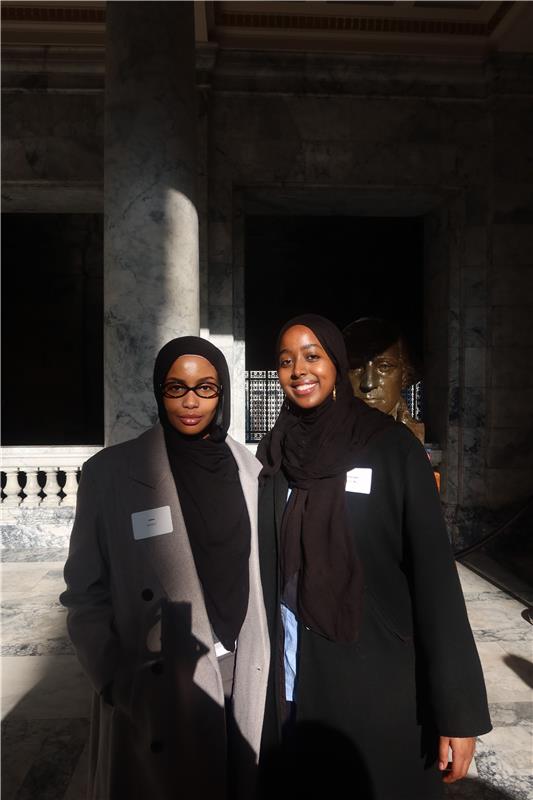
Golaha Talo-bixinta Daryeelayaasha Carruurta waa madal ay daryeelayaasha muhaajiriinta iyo qaxootiga ku:
- Talo ka bixiyaan arrimaha degdegga ah ee saameeya shaqadooda iyo bulshadooda
- Ka shaqeeyaan horumarinta barnaamijyo, wacyigelin, iyo adeegyo dhaqameed ku habboon
- U doodaan siyaasado furan oo la xiriira maalgelinta, rukhsadaha, iyo taageerada waxbarashada carruurta
- Dhiseen hoggaan gudaha bulshada, kana shaqeeyaan wacyigelin lagu gaarsiiyo sharci-dejiyeyaasha, deeq-bixiyeyaasha, iyo dadweynaha
Goluhu wuxuu kulmaa afarta biloodba mar, waxaana jira fursado fogaan-arag ah. Mudada xubinnimada waa hal sano. Waxaa garab taagan Asha Farah (Khabiirka Siyaasadda Guud & Is-dhexgalka Bulshada) iyadoo hageusp, tababaraya, una gogol xaarayso guusha xubnaha golaha.
Kani Maaha Kulan Kaliya—Waa Dhaqdhaqaaq
Golahan ma aha muuq-muuqasho ama magaca kaliya—waa xaqiijin awood iyo ka qaybgal dhab ah. Waa garowsiga in dadka xanaaneynaya carruurteena ay xaq u leeyihiin inay hoggaan ka noqdaan sida loo taageero. In dadka ugu dhow dhibaatada ay yihiin kuwa ugu dhow xalka.
Haddii aad tahay kafaala-qaade ama deeq bixiye—waa waqtiga aad taageerilaheed dadaalkan.
Haddii aad tahay xubin ka tirsan bulshada—waa waqtiga aad dhegaysanlaheed codka daryeelayaasha.
Haddii aad tahay daryeele—waa meesha aad hogaamin karto.
Waxaan Ognahay Baahida Bulshadeena—Waxaan u Baahanahay Kaliya in Codkeena La Maqlo
Daryeelayaasheennu waxay si dhab ah u yaqaanaan waxa ay tahay daryeel la jaanqaadaya dhaqanka, ka jawaabaya dhaawacyada maskaxeed, isla markaana xaqiijinaya muhiimadda luqadda—waayo way la noolyihiin maalin kasta. Golaha Talo-bixinta Daryeelayaashu wuxuu dammaanad qaadaa in xigmaddaas aan kaliya la aqoonsan, balse laga dhigo udub-dhexaadka go’aamada saameeya kumannaan qoys oo ku nool gobolka oo dhan
Aan hubinno in codka daryeelayaasha muhaajiriinta iyo qaxootiga uusan ahayn kaliya mid la maqlo—laakiin uu noqdo aasaaska mustaqbalka waxbarashada carruurta.
Nala soo xiriir halkaan si aad wax uga ogaato Golaha Talo-bixinta Daryeelayaasha:
📧 Asha Farah – [email protected]
The Table Is Ours: Why Immigrant and Refugee Childcare Providers Must Be Heard—Now More Than Ever
Every day in Washington State, decisions are made about early childhood education—about how it’s funded, who has access, how it’s regulated, and who gets to be a part of shaping it. But far too often, immigrant and refugee childcare providers—the very backbone of our early learning system—are missing from those rooms.
At Voices of Tomorrow (VOT), we believe that policies created without the wisdom of those directly impacted will never lead to equity. That’s why we launched the Provider Advisory Council—a bold initiative that brings immigrant and refugee providers together to lead, inform, and influence systems that have long excluded them.
“We’ve been doing the work, but nobody ever asked us what we need.”
A Seat at the Table—and the Power to Shape It
This Council isn’t just about representation. It’s about transformation. Immigrant and refugee providers aren’t new to the work—they’ve been holding down entire communities for decades. They are teachers, small business owners, language holders, and culture bearers. They provide care that reflects families’ values and identities. And yet, they are systematically excluded from shaping the very systems they sustain.
Whether due to licensing systems that disregard cultural practices, trainings that aren’t translated, or policies made without context—these providers often operate in a system built for someone else.
Our Communities Are Growing—So Must Our Voice
Over 60,000 East African immigrants now call King County home, alongside tens of thousands from Latin America, Southeast Asia, and other global communities. Many are parents. Many are educators. Many are running high-quality, culturally grounded childcare programs from their homes.
In fact, there are hundreds of licensed immigrant- and refugee-led family childcare providers across Washington State, and the numbers are growing. But unless their experiences shape the conversation, early learning policies will continue to reflect a narrow, inequitable vision of care.
In Uncertain Times, Our Voice Is Our Power
With proposed state budget cuts to early learning, mounting economic pressures, and ongoing shifts in political will—there’s never been a more critical time to center community voice.
This isn’t just about preventing cuts. It’s about reshaping the future of early learning in Washington to reflect who we really are—and who we want to become.
The Provider Advisory Council: Advocacy in Action
The Provider Advisory Council is a space where immigrant and refugee childcare providers can:
- Advise on urgent issues impacting their work and communities
- Collaborate on program development, outreach, and culturally relevant services
- Advocate for inclusive policies around funding, licensing, and early learning supports
- Build leadership across communities and raise awareness among lawmakers, funders, and the public
Council members meet quarterly (virtually or in person) and serve one-year terms. Members are supported by Asha Farah, Public Policy and Community Engagement Specialist, and Najma Egal, Community Advocacy and Engagement Specialist, who help coordinate and amplify the work of the Council.
This Isn’t Just a Meeting—It’s a Movement
This Council isn’t about tokenism—it’s about agency. It’s about recognizing that the people who care for our children should also help shape the systems that support them. That those closest to the community are closest to the solutions.
- If you’re a funder, this is the work to support.
- If you’re a community member, this is the voice to follow.
- If you’re a provider, this is your place to lead.
We Know What Our Communities Need—We Just Need the Mic
Our providers know what culturally responsive, trauma-informed, language-affirming care looks like—because they live it every day. The Provider Advisory Council ensures that wisdom is not just acknowledged, but centered in decisions that affect thousands of families across the state.
Let’s make sure immigrant and refugee voices are no longer an afterthought—but the blueprint for the future of early learning.
Reach out today to learn more about Provider Advisory Council:
📧 Asha Farah – [email protected]
Voices in Touch Newsletter: Edition 3
Stay up to date on policy and advocacy topics affecting your work in Olympia, King County, and Seattle.
The fight to protect vital services like early childhood education and childcare subsidies takes center stage in the upcoming legislative session.
The Rundown
In the face of a projected 10–12-billion-dollar budget shortfall over the next 4 years, Governor Jay Inslee released his final budget proposal aiming to address this concern and protect essential services like ECEAP in Washington State.
Governor Inslee proposed to balance this budget by imposing a 1% tax on wealth exceeding 100 million dollars. This would generate approximately $10 billion from around 3,400 of Washington State’s wealthiest individuals. In addition, Governor Inslee proposed an increase in the Business and Occupation tax for businesses in the “services or other activities” category which is projected to raise another 2.6 billion. Both measures are designed to prevent any harm to low-income, working-class Washingtonians and vital services such as education, mental health services and public safety.
In alignment with Governor Jay Inslee’s budget proposal, October of 2024, the Department of Children, Youth and Families announced their 2025 Legislative Proposal that contained packages related to ECEAP and Home visiting services. Govenor Inslee called on agencies in Washington to help come up with solutions to address this budget deficit. One key point of DCYF proposal is to maintain childcare subsidy base rates at the 85th percentile which in end will help more families have access to childcare services. These packages are crucial to understanding the proposed budget of ECEAP funding, slots, requirements and eligibility for early childcare in Washington state.
As the 2025 legislative session prepares to begin on January 13th,these proposals will be central to the discussions on how to best address the budget shortfall and balancing the deficit. The new Governor-elect Bob Ferguson will be sworn into office on January 15th, 2025, and present his own proposal soon after. This is followed by the state legislature reviewing both proposals before finalizing their own budget, which is expected to be completed by the end of the session in April.
Resources

Voices in Touch Newsletter: Edition 2
Stay up to date on policy and advocacy topics affecting your work in Olympia, King County, and Seattle.
2024 Brings a New Governor to Washington, and Candidates are Heating Up Their Campaigns. Now is the time to get registered to vote and mail in your ballots!
THE RUNDOWN
In early May, Washington’s three term Governor, Jay Inslee, announced his decision to not seek reelection. The popular Governor’s departure leaves an opportunity for Democrat and Republican candidates alike to share a new vision for the state.
So, Who Is In the Running?
TOP DEMOCRAT CANDIDATES
Bob Ferguson: The current Attorney General, and the early top pick amongst all candidates. Ferguson’s lists numerous priorities in his campaign announcement, including defending civil rights, protecting the environment, and standing up for working families.
Hilary Franz: As current Commissioner of Public Lands, it is no surprise Franz cites climate change as one of her top priorities. She also lists housing, and income inequality as key challenges to tackle.
Mark Mullet: A current State Representative from Issaquah, and previous city council member. Mullet shares education issues, affordable housing, safer neighborhoods, and climate change as his focal points.
TOP REPUBLICAN CANDIDATES
Dave Reichert: Previous U.S. Representative & King County Sheriff announced his bid for governor in late June. Since he left office, Reichert says he has been frustrated with what he says is the government becoming too powerful. Since he announced his candidacy, Raul Garcia has dropped out of the race and endorsed Reichert. Garcia intends to run for a U.S. Senate seat in 2024.
Semi Bird: Current school board member in Richland (South-Central) WA, who considers himself a “constitutional Christian conservative”. His goal if elected is to hold government officials accountable to the citizens they serve.
Elections will take place in 2024, meaning plenty can change! Now is the perfect time to make sure you're registered to vote and stay informed about candidates messaging.
Find more details on the governor’s race here:
Candidate Profiles | Most Recent Polling
AT A GLANCE
- Jay Inslee’s time as WA State Governor is coming to an end in 2024.
- Candidates are ramping up their election campaigns to replace him.
- Now is a great time to register to vote, and stay updated on the upcoming elections!
ON OUR NEXT EDITION
More details on voting and upcoming King County Elections.
SHARE YOUR THOUGHTS!
CLICK HERE to submit your responses to our short questionnaire & let us know what you want to learn about next!
For additional questions and comments, email [email protected].
Voices in Touch Newsletter
Stay up to date on policy and advocacy topics affecting your work in Olympia, King County, and Seattle.
The Rundown
Restrictions on Family Child Care Centers
Home Owners Association's (HOAs) have been restrictingand suing licensed providers who run family child care centers out of their homes. These centers are an essential part of Washington's mixed delivery education system, and a vital component to East African Immigrant and Refugee business owners and families. This legislative session, House Bill (HB) 1199 was proposed to stop HOAs from imposing restrictions on family child care centers.
Read the complete newsletter by clicking link below.
Download the Newsletter here.
For additional questions and comments, email [email protected].
VOT Takes Steps to Improve Equity in Public Policy
Voices of Tomorrow (VOT) is excited to announce our now fully functioning Policy and Advocacy Department (PAD). Although VOT has been involved in policy and advocacy since its founding, we are now making intentional investments to engage with our governing systems. With a team of three dedicated staff, we are committed to addressing institutional inequities and empowering the communities we serve to use their voice in public spaces. We are excited to see the impact of our investments and look forward to collaborating with others to create positive change.
The vision for VOT is to elevate our presence as a trusted community partner in the realm of Public Policy throughout the state of Washington. We seek to be fully integrated into decision-making processes at every stage of policy development, rather than being informed about decisions after the fact. To achieve this goal, Our Policy and Advocacy Department is dedicated to understanding the shape of public policy initiatives at the Federal, State, and local levels affecting our work, and the communities we serve. Our purpose is to identify key issues, create alliances, and build support with both the East African Immigrant and Refugee Community, as well as other community partners for critical policy objectives that align with VOT’s mission and vision.
So, What Has the Policy and Advocacy Team Been Up To?
Listening and Learning! The 2023 Washington State Legislature is currently in session. This means your state senators and representatives are drafting new bills, listening to public testimony at hearings, taking meetings with their constituents, and voting on legislation. Actions and decisions made during this time often result in meaningful impacts for residents, therefore VOT hopes to ensure we remain informed on key issues.
In January and early February, our team traveled to the state Capitol to learn and support our allies in this work, including the Washington State Association for HeadStart and ECEAP, and Child Care Resources. We are tracking many of the bills being debated right now that include topics affecting children, childcare providers, and families; and learned a lot about the political process and laws currently being proposed.
Legislation of Interest:
Many bill proposals are being floated through our State Capitol right now. While these may or may not pass, these are the types of proposals Voices of Tomorrow hopes to influence in the future, alongside members of the East African Immigrant and Refugee Community and fellow early learning professionals. Some of the unique bills that we are currently monitoring are:
- House Bill (HB) 1199 - This bill seeks to ensure that providers can run childcare businesses in their homes without landlords or homeowners’ associations restricting their ability to do so.
- HB 1511 - This bill intends to expand eligibility for ECEAP and childcare subsidies, like Working Connections Child Care. By removing certain income requirements, the goal is to ensure more families qualify for affordable childcare options.
What does the Policy & Advocacy Department mean for you?
Voices of Tomorrow recognizes that we cannot do this work alone! For the remainder of the year, we will be actively engaging with members of our community to learn about the most pressing issues affecting them and provide training opportunities for solution-based action. We believe in the power of organizing and collective action, and we hope you’ll join us as we launch our upcoming Advocacy 101 series and Civic Boot Camp seminars. Through these initiatives, we will cover important topics such as Understanding the Political Process, How to Become an Advocate, Voting, and Knowing Your Rights!
We encourage you to keep an eye out for upcoming newsletters, invitations to listening sessions, trainings, and more events that enable you to get involved and make a difference. Together we can make our voices heard and create a positive change in our communities!
Meet our Policy and Advocacy Department | PDF